You sleep through the night, yet wake up feeling like you ran a marathon with your jaw. Your teeth ache. Your head pounds. Your partner mentions strange grinding sounds coming from your side of the bed. If this sounds familiar, you may be one of the millions of Americans unknowingly grinding their teeth while they sleep—a condition called bruxism that can cause serious, lasting damage to your smile.
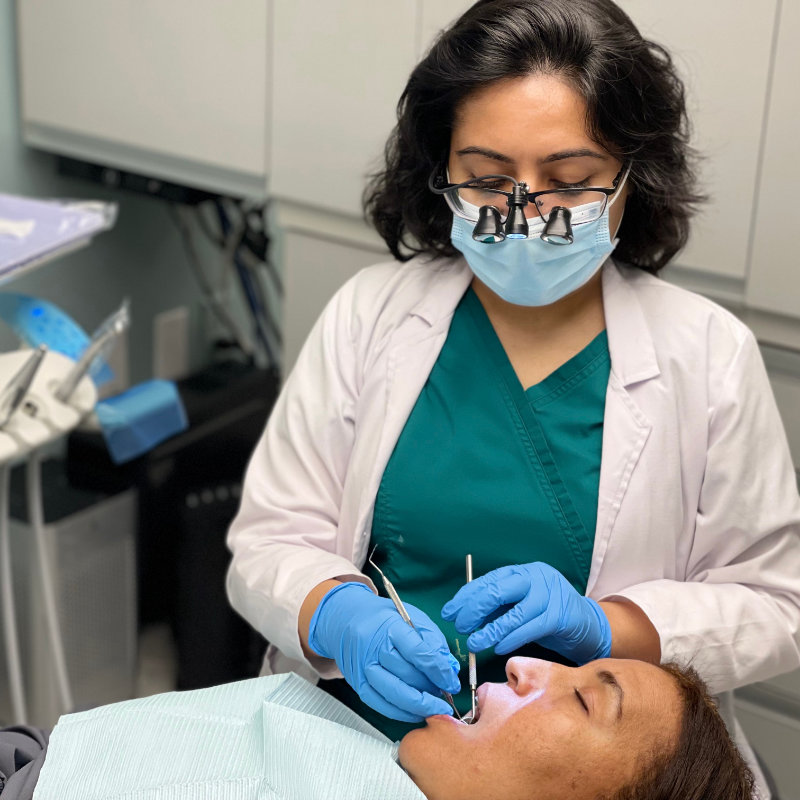
At Radiant Smiles in Arlington, Dr. Surbhi Chandna sees the effects of teeth grinding regularly, and the damage often surprises patients who had no idea they were doing it. The Washington, D.C. metro area’s fast-paced lifestyle, demanding careers, and high-stress environment make Arlington residents particularly susceptible to this unconscious habit. Understanding bruxism and addressing it early can save your teeth, your jaw, and your quality of life.
What Exactly Is Bruxism?
Bruxism is the medical term for grinding, gnashing, or clenching your teeth. It can happen while you’re awake (awake bruxism) or during sleep (sleep bruxism), though nighttime grinding typically causes more damage because you can’t consciously stop yourself. The forces generated during sleep grinding can be remarkably intense—studies suggest nocturnal bruxism can produce up to 250 pounds of force per square inch, far exceeding the pressure of normal chewing.
Sleep bruxism is classified as a sleep-related movement disorder, and people who grind at night are more likely to experience other sleep issues like snoring and sleep apnea. The American Dental Association estimates that approximately 10% of adults and up to 15% of children grind their teeth, though many cases go undiagnosed because the grinding occurs during sleep.
The Hidden Signs You Might Be Grinding Your Teeth
Most people with sleep bruxism have no idea they’re doing it until damage becomes visible or symptoms become impossible to ignore. Dr. Chandna often identifies bruxism during routine examinations before patients even realize there’s a problem—one of many reasons regular dental visits matter.
Common signs of teeth grinding include:
- Morning Jaw Pain or Stiffness: Waking up with soreness in your jaw muscles, difficulty opening your mouth wide, or a tired feeling in your face.
- Dull Headaches: Tension headaches that start at your temples, often present upon waking.
- Tooth Sensitivity: Increased sensitivity to hot, cold, or sweet foods and beverages as enamel wears thin.
- Worn, Flattened, or Chipped Teeth: Teeth that appear shorter, have flat biting surfaces, or show chips and fractures.
- Ear Pain: Aching near your ears that isn’t caused by an ear infection.
- Disrupted Sleep: Waking during the night or experiencing poor sleep quality, sometimes noticed by a sleep partner who hears the grinding.
- Tongue or Cheek Damage: Indentations on your tongue or damage to the inside of your cheeks from biting.
- Tight or Locked Jaw: Difficulty fully opening or closing your mouth, or a jaw that occasionally locks.
Why Arlington Professionals Are at Higher Risk
Stress is the leading trigger for teeth grinding, and let’s be honest—life in the Arlington and Northern Virginia area isn’t exactly low-key. Whether you’re navigating demanding work schedules in Rosslyn’s corporate towers, managing the pressures of government contracting, or simply dealing with the daily grind of D.C. metro commuting, chronic stress takes a physical toll that often manifests in your jaw.
Beyond stress, other factors increase bruxism risk:
- Anxiety and Tension: Ongoing worry, frustration, or anger can trigger clenching and grinding.
- Certain Medications: Some antidepressants, particularly SSRIs, list bruxism as a potential side effect.
- Caffeine and Alcohol: Both substances can increase grinding frequency, especially when consumed close to bedtime.
- Sleep Disorders: Sleep apnea and other sleep disturbances are closely linked to bruxism.
- Personality Type: Competitive, aggressive, or hyperactive personality types show higher rates of teeth grinding.
- Family History: Bruxism tends to run in families, suggesting a genetic component.
The Real Damage Grinding Does to Your Smile
What makes bruxism so concerning isn’t just the immediate discomfort—it’s the cumulative damage that builds over months and years of nightly grinding. Your teeth aren’t designed to withstand constant friction and extreme pressure, and the consequences can be extensive.
Enamel erosion is often the first casualty. Once enamel wears away, it doesn’t grow back, leaving teeth vulnerable to decay and sensitivity. Fractures and chips become increasingly common as teeth weaken, sometimes requiring crowns or other restorative work. Severe grinding can actually wear teeth down to stumps, necessitating bridges, implants, or dentures.
Beyond the teeth themselves, bruxism strains the temporomandibular joint (TMJ), potentially leading to TMJ disorders characterized by chronic pain, clicking or popping sounds, and limited jaw mobility. The muscles of the face and jaw can become chronically inflamed, and the constant tension can contribute to persistent headaches and neck pain.
How Dr. Chandna Treats Teeth Grinding
The good news is that bruxism is highly manageable once identified. At Radiant Smiles, Dr. Chandna takes a conservative, patient-centered approach to treatment, focusing on protecting your teeth while addressing underlying causes.
- Custom Nightguards: The most common and effective treatment is a custom-fitted nightguard, also called an occlusal splint. Unlike over-the-counter options, a professionally made nightguard is crafted from impressions of your teeth for a precise, comfortable fit. The guard creates a protective barrier between your upper and lower teeth, absorbing grinding forces and preventing enamel damage. Most patients adapt to wearing a nightguard within a few nights and report significantly reduced symptoms.
- Addressing Underlying Causes: Dr. Chandna also works with patients to identify and manage contributing factors. This might include stress reduction techniques, evaluating medications that could be triggering grinding, or recommending evaluation for sleep disorders if apnea is suspected.
- Restorative Care: For patients whose teeth have already sustained damage, Radiant Smiles offers comprehensive restorative options including dental crowns, bonding, and other treatments to repair and strengthen compromised teeth.
Protecting Your Smile Starts With Awareness
If you’ve noticed any signs of grinding—or if your sleep partner has complained about nighttime noises—don’t wait for visible damage to seek help. Early intervention with a custom nightguard can prevent the extensive (and expensive) restorative work that advanced bruxism often requires.
Dr. Surbhi Chandna and the team at Radiant Smiles understand the unique pressures Arlington residents face and the toll stress takes on oral health. With over two decades of experience and a commitment to conservative, effective treatment, Dr. Chandna helps patients protect their smiles for the long term.
Schedule Your Bruxism Evaluation at Radiant Smiles
Is teeth grinding damaging your smile while you sleep? Find out with a comprehensive evaluation at Radiant Smiles, conveniently located in Arlington’s Ballston/Virginia Square corridor, just two blocks from the Virginia Square Metro Station.
Call (703) 528-0444 to schedule your appointment or book online today. Your jaw—and your teeth—will thank you.
Posted on behalf of
3801 N Fairfax Dr Suite 25
Arlington, VA 22203
Phone: (703) 528-0444
FAX: (703) 516-0262
Email: info@theradiantsmiles.com