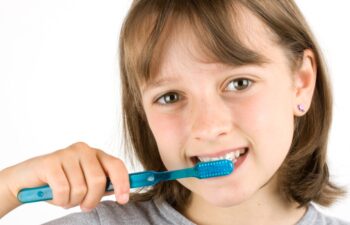
Every parent reaches that moment: your child grabs the toothbrush, pushes your hand away, and declares “I can do it myself!” It’s a milestone that signals growing independence—but when it comes to dental care, enthusiasm doesn’t always equal effectiveness. Knowing when to step back and when to keep helping can mean the difference between healthy teeth and preventable cavities.
The transition from parent-led brushing to independent dental care isn’t a single moment. It’s a gradual process that unfolds over several years, guided by your child’s developing motor skills, attention span, and understanding of why oral hygiene matters. Here’s what Arlington families need to know about navigating this important transition.
The Motor Skills Factor: Why Age Matters
Children’s fine motor skills develop on a predictable timeline, and effective toothbrushing requires more coordination than most parents realize. Holding a brush at the correct angle, applying appropriate pressure, and systematically reaching every tooth surface demands dexterity that young children simply haven’t developed yet.
Most dental professionals agree that children lack the motor control for truly effective brushing until around age six to eight. But even this range comes with an important caveat—children develop at different rates, and calendar age doesn’t always match developmental readiness.
A helpful benchmark: if your child can tie their own shoelaces neatly, they’re likely developing the fine motor coordination needed for independent brushing. Until that point, they’ll benefit from hands-on help, no matter how much they protest.
Age-by-Age Expectations
Understanding what’s realistic at each stage helps parents set appropriate expectations and know when to offer more or less assistance.
- Ages 2-3: At this stage, children are just learning that toothbrushing is part of daily life. Let them hold a toothbrush and “practice,” but parents should do the actual cleaning. The goal is building familiarity and positive associations with the routine—not effectiveness.
- Ages 4-5: Children can start participating more actively, perhaps brushing the front surfaces of their teeth while parents handle the harder-to-reach areas. This is a “you do some, I do some” phase. Parents should always follow up with a thorough brushing after the child’s attempt.
- Ages 6-7: Many children can brush their own teeth with supervision at this age, though they still need parents to check their work and help with missed spots. Flossing remains a parent-assisted activity for most kids in this age group.
- Ages 8-10: Most children can handle brushing independently with spot checks, though some still need reminders about timing, technique, and reaching back molars. Flossing skills are developing but may still need occasional guidance.
- Ages 10 and up: Children typically have the motor skills and understanding needed for fully independent dental care, though parents should stay involved enough to ensure the habit remains consistent.
Why Flossing Takes Even Longer to Master
If brushing requires fine motor skills, flossing demands even more. Maneuvering floss between teeth, curving it around tooth surfaces, and controlling the motion to avoid snapping against gums requires dexterity that develops later than brushing skills.
Most children aren’t ready to floss independently until age ten or older. Before that point, parents should handle flossing—or at minimum, closely supervise and assist. Floss picks or flossers designed for children can make the process easier and help kids practice the motion, but they shouldn’t replace parental involvement until the child demonstrates consistent, thorough technique.
The consequences of ineffective flossing can be significant. The spaces between teeth are prime locations for cavity development, and if these areas aren’t properly cleaned during childhood, decay can develop in permanent teeth that have just erupted.
Signs Your Child Is Ready for More Independence
Rather than focusing solely on age, watch for these indicators that your child may be ready to take on more responsibility for their dental care:
- Demonstrates Patience: Effective brushing takes two full minutes. Children who rush through in thirty seconds aren’t demonstrating readiness for independent brushing. Look for the ability to sustain focus on the task for the full recommended time.
- Shows Systematic Approach: When children naturally develop a pattern—outside surfaces, then inside surfaces, then chewing surfaces—they’re showing the organizational thinking needed for thorough cleaning. Random scrubbing, even enthusiastic random scrubbing, leaves areas untouched.
- Understands the “Why”: Children who grasp that brushing removes plaque, that plaque causes cavities, and that cavities require dental treatment are more motivated to do a thorough job. Abstract understanding develops around age seven or eight for most children.
- Accepts Feedback: Willingness to hear “you missed the back teeth” and actually go back to address it indicates maturity. Children who become defensive or dismissive when corrected may need more time before taking over completely.
- Maintains Consistency: Can your child remember to brush without constant reminders? The habit becoming automatic is a sign they’re internalizing responsibility for their own oral health.
The Dangers of Stepping Back Too Soon
The pressure to foster independence is real—busy mornings, multiple children, the child’s own insistence. But stepping back before a child is truly ready carries real consequences.
- Missed Plaque Buildup: Children tend to focus on the easy-to-reach front teeth and neglect molars, inner surfaces, and the gumline. Plaque accumulation in these areas can lead to cavities and early gum disease.
- Inconsistent Timing: Children left to their own devices often cut brushing sessions short. What they estimate as two minutes may actually be thirty seconds. Research consistently shows that brushing duration directly impacts effectiveness.
- Skipped Sessions: Without parental involvement, both morning and bedtime brushing can become sporadic. Nighttime brushing is particularly critical—saliva flow decreases during sleep, reducing natural protection against acid and bacteria.
- Improper Technique: Brushing too hard can damage enamel and gum tissue. Brushing too soft fails to remove plaque. Children need ongoing guidance to find the right balance.
- Lost Learning Opportunities: The years when parents are actively involved in dental care are prime teaching time. Children learn by observation and repetition, and these lessons lay the foundation for lifelong habits.
Making the Transition Gradual
The most successful approach treats the transition as a gradual handoff rather than an abrupt shift. Consider these strategies:
- Start With Supervision: Before going fully independent, have your child brush while you observe, offering real-time guidance. “Don’t forget those back molars” and “try to angle the brush toward your gums” builds awareness of trouble spots.
- Implement the “You Then Me” Approach: Let your child brush first, then follow up with your own pass through. This maintains their sense of agency while ensuring thorough cleaning. Gradually reduce your follow-up as their skills improve.
- Use Disclosing Tablets: These chewable tablets temporarily stain plaque, making missed areas visible. They transform brushing from an abstract task into a concrete game with visible results. Children can see exactly where they need to improve.
- Set a Timer: Two minutes feels long to children (and many adults). A timer—whether a sand timer, phone app, or electric toothbrush with built-in timing—removes the guesswork and prevents premature stopping.
- Schedule Regular Check-Ins: Even after transitioning to independent brushing, maintain periodic spot checks. A casual “let me take a quick look” keeps children accountable without undermining their sense of responsibility.
Creating a Setup for Success
The physical environment and tools matter. Setting your child up for success makes independent dental care more achievable.
- Right-Sized Equipment: Children’s toothbrushes with smaller heads reach small mouths more effectively. As children grow, upgrade brush size accordingly, but don’t rush to adult-sized brushes.
- Appropriate Toothpaste Amount: Children under three need only a smear of fluoride toothpaste. Ages three to six use a pea-sized amount. Too much toothpaste creates excessive foam that can make thorough brushing harder and may prompt children to rinse and spit before the full two minutes.
- Step Stool Access: Children should be able to see themselves in the mirror while brushing. Visual feedback helps them spot missed areas and maintain proper technique.
- Consistent Storage: Keep toothbrush and toothpaste in the same accessible spot. Reducing friction makes the habit easier to maintain.
- Electric Toothbrush Consideration: Electric toothbrushes do some of the work for children, potentially compensating for developing motor skills. Many children find them more engaging, which can increase compliance. Built-in timers help with duration.
The Role of Regular Dental Visits
While home care is essential, regular dental checkups provide crucial backup. Professional cleanings reach areas that even good home brushing can miss, and your child’s dentist can identify early signs of trouble before they become serious problems.
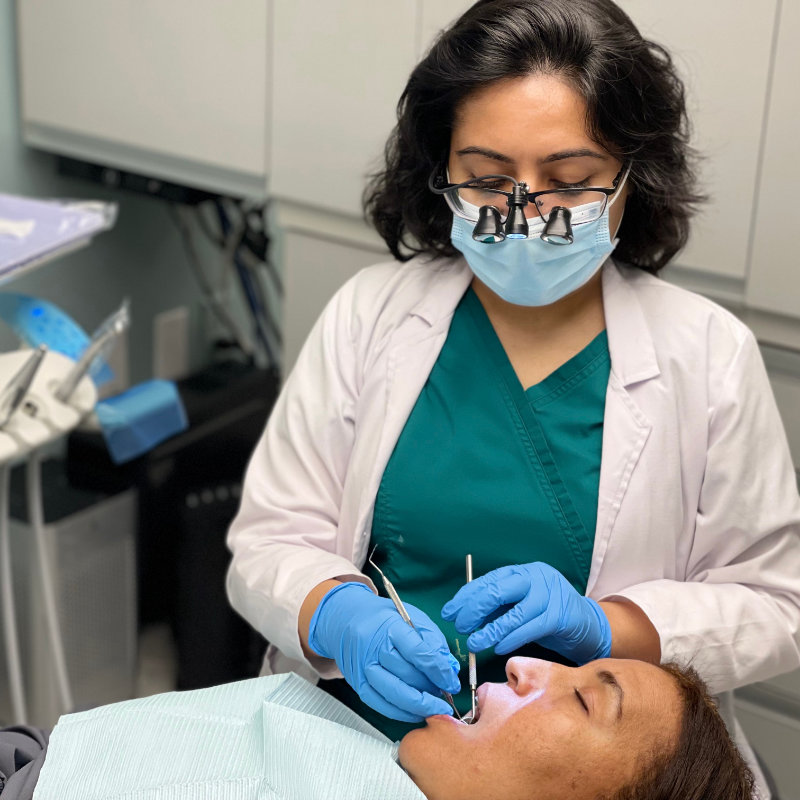
Dental visits also serve an educational purpose. When Dr. Chandna or another dental professional demonstrates proper technique, children often take the instruction more seriously than when it comes from parents. Hearing “your brushing looks great, but let’s work on reaching those back teeth” from a dentist can motivate improvements in ways parental reminders cannot.
Regular appointments also establish the dental office as a familiar, non-threatening environment—important for building positive associations that last into adulthood.
When Independence Becomes Avoidance
Some children resist dental care not because they want independence, but because they want to avoid the task entirely. Watch for these warning signs:
- Claims of having brushed without any evidence (dry toothbrush, toothpaste tube unmoved)
- Extremely quick brushing sessions (well under two minutes)
- Consistent “forgetting” despite reminders
- Resistance to letting parents check their teeth
If avoidance is the underlying issue, stepping back isn’t appropriate—more involvement and problem-solving is needed. Sometimes the issue is sensory sensitivity to toothpaste flavors or brush textures. Sometimes it’s simply that the routine hasn’t been consistently established. Identifying the root cause helps address it effectively.
Building Lifelong Habits in Arlington
At Radiant Smiles, Dr. Surbhi Chandna and our team believe that the habits children develop in these early years set the foundation for a lifetime of oral health. With over 20 years of experience and a focus on preventive care, Dr. Chandna takes time to educate young patients—and their parents—about proper brushing and flossing techniques.
We welcome families with children of all ages at our Arlington practice and consider children’s dentistry one of the most rewarding aspects of what we do. From first dental visits to navigating the transition to independent care, our team is here to support your child’s journey toward healthy dental habits.
Schedule Your Child’s Checkup at Radiant Smiles
Questions about your child’s brushing technique, readiness for independent care, or any aspect of their oral health? We’re here to help. Dr. Chandna and the team at Radiant Smiles provide comprehensive pediatric dental care for families throughout Arlington, Alexandria, and the surrounding Northern Virginia communities.
Our office is conveniently located in the Ballston/Virginia Square corridor at 3801 N Fairfax Dr, Suite 25, just two blocks from the Virginia Square Metro Station. Call (703) 528-0444 or book online to schedule your child’s next appointment. Together, we’ll help your child build the skills and habits for a lifetime of healthy, radiant smiles.
Posted on behalf of
3801 N Fairfax Dr Suite 25
Arlington, VA 22203
Phone: (703) 528-0444
FAX: (703) 516-0262
Email: info@theradiantsmiles.com